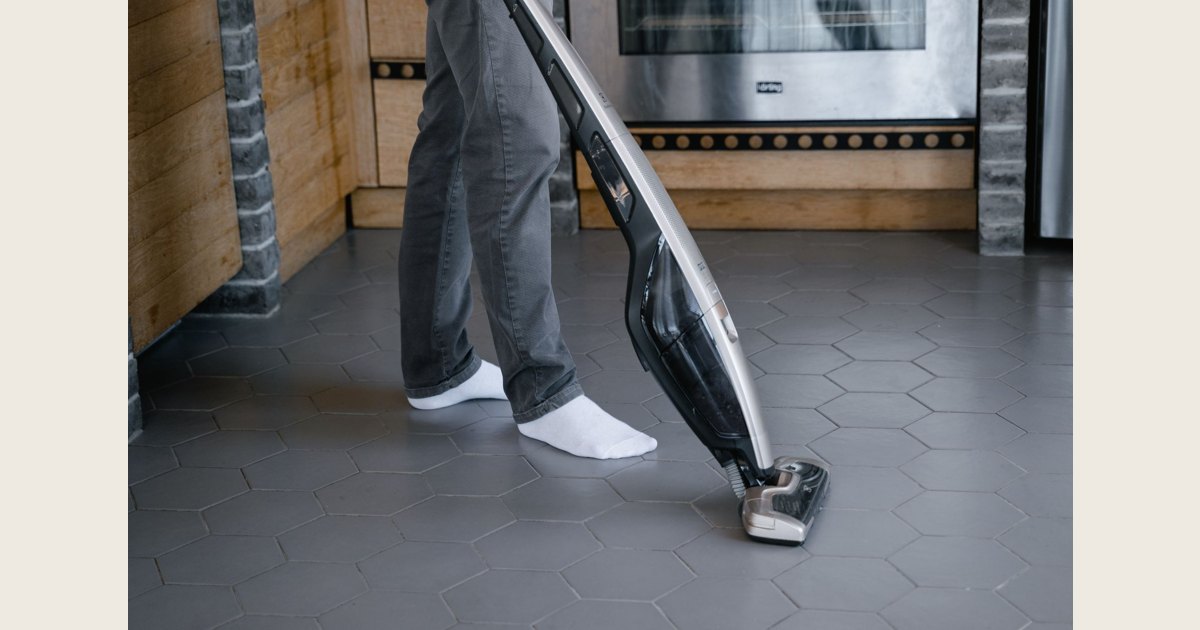
A great vacuum cleaner picks up the debris in your home, suits the floors you own, and keeps captured dust contained through cleaning and emptying. If dust escape matters, focus on the complete air path and the bin or bag—not a high suction number or a HEPA label alone. The right model is one you can maneuver, maintain, and keep supplied with compatible bags or filters.
This guide explains what to check in filtration, floor heads, disposal, and long-term cost. It does not rank brands or promise a health benefit.
Cover image: Photo by MART PRODUCTION on Pexels; Pexels license. Illustrative stock photo; no product testing is implied.
Key Takeaways
- Match the vacuum to your floors, debris, storage space, and cleaning routine.
- A HEPA filter specification is not the same as proof that the whole vacuum is sealed.
- Check where exhaust air goes and how the bin or bag empties before buying.
- Include replacement filters, bags, and batteries in the ownership cost.
Start with the air path and dust handling
What is a great vacuum cleaner?
A great vacuum cleaner is a good fit for your actual floors and cleaning needs, with an air path and dust container you can maintain as directed. It should be comfortable enough to use, have tools for the places you clean, and have compatible replacement parts available. No single style or spec makes a vacuum great for every home.
Start by listing your main floor surfaces, rugs, stairs, upholstery, and the debris you regularly pick up. Then compare floor-head design, filtration, emptying, and upkeep. A suction figure is only one part of that decision; our guide to reading vacuum suction specs explains what the number does—and does not—tell you.
Which features matter if I want to limit dust escaping?
Prioritize clear information about the filter, the route air takes through the vacuum, and how captured debris is contained during emptying. Look for model-specific documentation that explains whether the complete machine is sealed and whether its exhaust passes through the stated filter—not just a product-page claim that a filter is included.
A parts diagram or manual can help you find the filter, exhaust vents, bin or bag connection, and seals. Before buying, check that the correct replacement filter is available and that the maintenance instructions fit your routine. If the manufacturer describes only the filter but not the assembled machine’s airflow or sealing, treat whole-vacuum dust containment as unverified rather than filling in the gap with an assumption.
Does a HEPA filter mean the entire vacuum is HEPA?
No. A HEPA label describes a filter, but it does not by itself show how well the complete vacuum contains dust. The U.S. Environmental Protection Agency says a HEPA filter can theoretically remove at least 99.97% of airborne particles at 0.3 microns; that figure describes filter performance, not a rating for the vacuum that contains it (EPA, “What is a HEPA filter?”).
For example, imagine a product page that specifies a HEPA filter but says nothing about the vacuum’s assembled air path. You can verify the filter claim, but you cannot tell from that information whether air bypasses the filter or how exhaust leaves the machine. Check the exact model’s manual or parts diagram for the filter location, seals, and exhaust route; if the documentation does not explain whether all exhaust air passes through the filter, treat whole-machine containment as unverified. This is a documentation check, not a claim about any particular model.
Follow that model’s instructions for installation and maintenance. Do not assume every filter is washable or that one vacuum’s care schedule applies to another.
Match the cleaner to your floors and routine
Which floor head should I choose for carpet and hard floors?
For mixed flooring, choose a vacuum that lets you use an appropriate head or setting on each surface. A switchable brush roll or separate hard-floor tool gives you an option besides running a carpet brush on smooth flooring. For carpet, check the exact model’s carpet-cleaning information and whether its head can be adjusted for the pile in your home.
The Carpet and Rug Institute says its Seal of Approval program lab-tests cleaning products and equipment, and describes certified products as removing soil without adversely affecting carpet appearance or performance (CRI Seal of Approval overview). That is a useful carpet-care signal to consider—not proof of a sealed exhaust or whole-machine HEPA performance. The CRI certified-vacuums directory can help you check specific listed models.
If most of your floors are wood, see our guide to choosing a vacuum for hardwood floors for more surface-specific considerations.

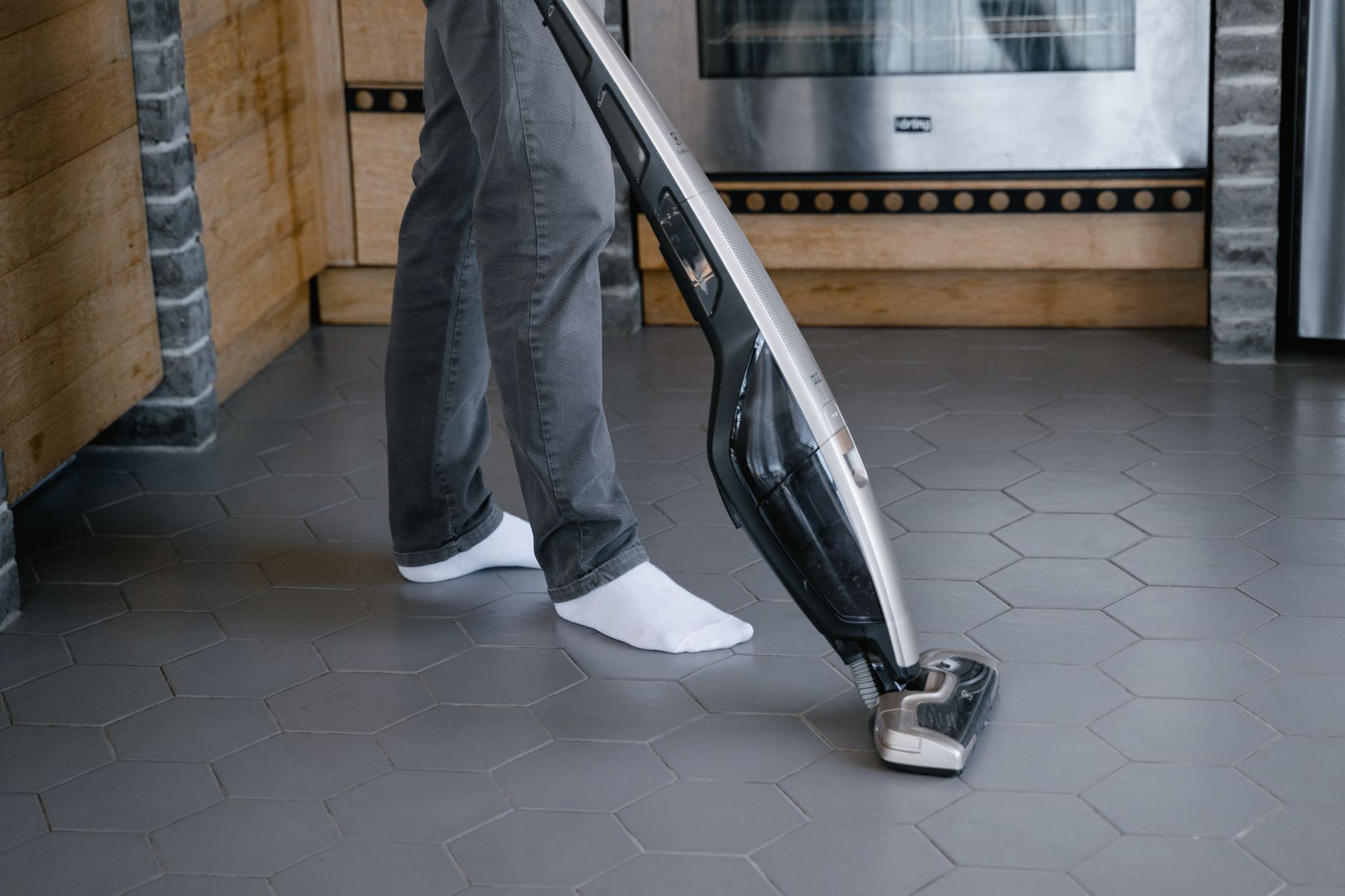
Photo by Liliana Drew on Pexels; Pexels license. Illustrative stock photo; no product testing is implied.

Is an upright, canister, or cordless stick vacuum better?
No vacuum style is best for every home. Use the format as a starting point, then check the weight, reach, floor head, parts, and maintenance for the exact model.
| Style | Could suit | Check before buying |
|---|---|---|
| Upright | Homes where carpet is a major surface and a self-contained floor cleaner fits the routine | Weight, steering, height settings, and whether its hose and tools reach above-floor areas |
| Canister | Homes where a separate wand and tools may make stairs, edges, or floor changes easier to manage | How the canister moves behind you, hose reach, storage, and how the floor head works on each surface |
| Cordless stick | Quick pickups or homes where compact storage matters | Runtime at the power setting you expect to use, bin capacity, battery replacement options, and filter availability |
These are practical tradeoffs, not performance guarantees. Check the manual and compare the same details on each model. For a hypothetical home with mostly hard floors, one low-pile rug, and stairs, a shopper might favor an easy-to-steer hard-floor head, a setting or tool suited to that rug, a wand with enough reach for the stairs, and storage for the hose and attachments. If a cordless stick is also under consideration, the shopper can compare expected runtime and replacement-battery availability alongside the convenience of its compact format. This example illustrates how to apply the checklist; it does not establish how any specific vacuum performs. A canister vacuum is shown below as an example of one format, not as a product recommendation.
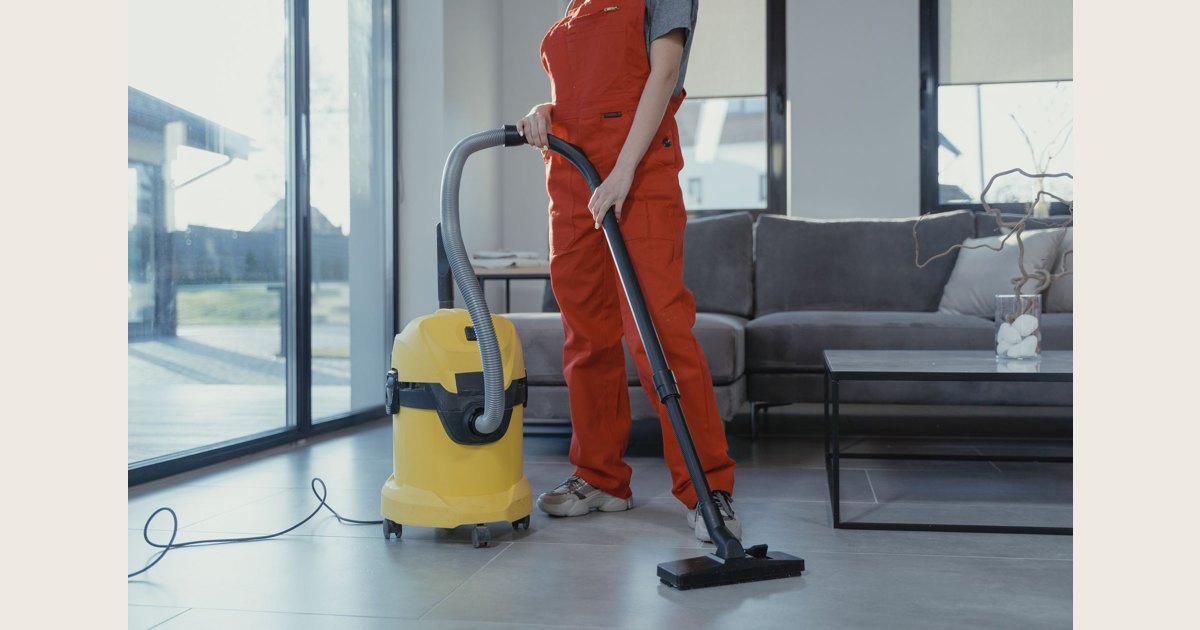
Photo by Tima Miroshnichenko on Pexels; Pexels license. Illustrative stock photo; no product testing is implied.

Compare disposal, upkeep, and total cost
Is a bagged or bagless vacuum better for dust control?
Neither bagged nor bagless automatically means better dust containment. With a bagged model, check how the bag closes or detaches and how much replacement bags cost. With a bagless model, check how the bin opens and empties, whether its filters are replaceable, and which parts the manual permits you to wash.
Think about the emptying step you will actually perform. Compare the opening, closure, and debris-handling instructions instead of assuming one design is dust-free. A bagged vacuum can still have a filter or seal that needs attention; a bagless vacuum still needs its filters maintained. The product’s whole-machine documentation and emptying design matter more than the category name.
What ongoing costs should I check?
Compare the purchase price plus the supplies the exact vacuum needs: bags, replacement filters, and, for a cordless model, a replacement battery if one is available. Check the model number on each part, its price and availability, and the manufacturer’s maintenance schedule before you buy.
A washable filter is not automatically the cheaper or easier option: follow the manual to confirm whether it can be washed, how it should be dried, and when it needs replacement. Do not rinse a filter or reinstall it wet unless the manufacturer specifically instructs you to do so. If bags or filters are difficult to source, that can turn a reasonable upfront price into a frustrating ownership choice.
What should I check before buying a vacuum?
Use this short checklist to compare models on the needs that affect daily use:
- Floors: Does the supplied head suit your main carpet, rugs, and hard flooring?
- Dust path: Does the manufacturer explain the filter and the assembled vacuum’s exhaust path?
- Emptying: Can you manage the bin or bag opening and closure comfortably?
- Reach and storage: Can it reach the areas you clean and fit where you plan to keep it?
- Upkeep: Are compatible bags, filters, and batteries available, and are their costs clear?
- Care: Does the manual explain which parts can be cleaned, how, and when?
If possible, try lifting and steering the vacuum or review a retailer’s return terms before purchasing. For dust-sensitive homes, favor a model with specific documentation over one whose advertising relies on broad words such as “powerful” or “allergy-friendly.” No filter label or marketing phrase establishes a health outcome or guarantees dust-free air.
Troubleshoot weak pickup or visible dust
Why does my vacuum lose pickup or puff out dust?
If pickup drops or dust appears to escape, turn the vacuum off and isolate its power before clearing the head or hose or opening any maintenance-accessible part: unplug corded models, and follow the manual’s power-isolation instructions for cordless models. Remove a detachable battery only if the manual directs you to; do not try to remove a non-removable battery. Check whether the bag or bin is full, the floor head or hose is blocked, or the filter, bag, bin, or access panel is incorrectly seated. Clean or replace filters only as the model’s instructions allow, and check that seals and latches are back in place after maintenance.
If the problem continues, the housing or seal looks damaged, or the vacuum has an unusual burning smell or heat, stop using it and contact the manufacturer or a qualified repair service. Do not assume a stronger suction setting will fix a blockage or a poorly fitted filter. A great vacuum is not just one that cleans well on day one; it is one whose performance, dust handling, and upkeep you can understand and sustain.