A good vacuum cleaner for hardwood floors lets you clean with a bare-floor setting or a floorhead made for hard surfaces, moves across the floor without rough contact, and fits the way you actually clean. It does not have to be the most powerful machine or a particular model. The correct head and operating mode matter more than a broad label such as “multi-surface.”
The National Wood Flooring Association (NWFA) includes vacuuming with the bare-floor setting in its routine wood-floor care guidance. That is a useful starting point: verify that a vacuum has an appropriate hard-floor mode or tool, then weigh its controls, maintenance needs, and fit for your home. If your floor manufacturer or installer gives different care instructions, follow those first.
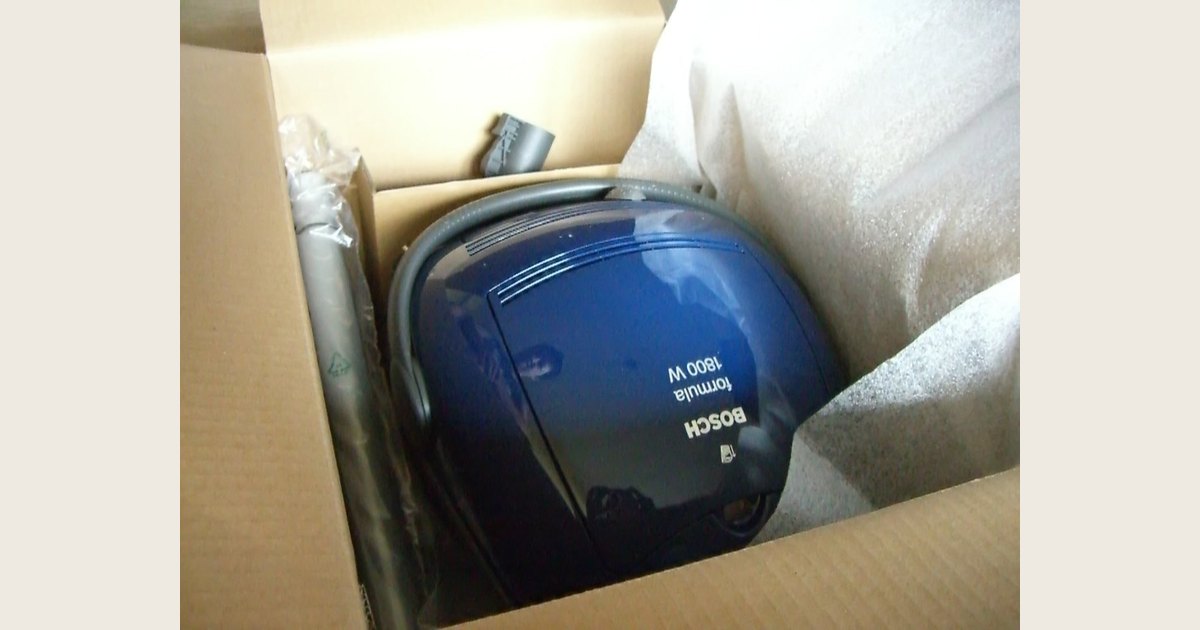
Cover image: “Vacuum cleaner” by Karolis Live, licensed under CC BY 2.0. Resized and padded. Illustrative stock photo; no product testing is implied.
The short version: features worth prioritizing
When comparing vacuum cleaners for hardwood floors, put these items ahead of headline suction claims or a long accessory list:
- A documented bare-floor setting or hard-floor head. Look for clear instructions for sealed hard floors in the manual or product documentation.
- Gentle floor contact. A hard-floor tool, soft bristles, clean wheels, and an underside free of rough or damaged parts are sensible details to inspect.
- Useful pickup with control. The vacuum should make dry debris cleanup practical in your rooms, not merely advertise a large performance number.
- Maintainable filtration. Understand what the filter claim means, what must be cleaned or replaced, and how the bin or bag is emptied.
- A format you will use. A vacuum that is inconvenient to carry, charge, store, or move around furniture is less likely to become part of a regular routine.
Start with the bare-floor setting—not a marketing label
Hardwood is a bare surface, so a vacuum needs an operating mode and floorhead appropriate to a bare surface. The NWFA’s recommendation is specific: routine cleaning can include vacuuming with the bare-floor setting to remove dust and dirt. Read the NWFA maintenance guidance.
That does not create a universal rule about every brush roll. Vacuum designs vary. One machine may switch a rotating brush on and off, another may use a separate hard-floor head, and another may have a single head with its own stated instructions. The useful shopping question is: Which head and setting does this exact model’s manual direct you to use on a hard floor?
Avoid filling gaps in the documentation with assumptions. A vacuum can be described as suitable for several surfaces while still requiring a particular button, head, or brush setting on hardwood. If those instructions are vague or unavailable before purchase, treat that as missing information—not proof that any setting will do.
A generic buying guide also cannot override the care instructions for your individual floor. Those matter especially if the finish is worn, the surface has an unusual treatment, or a flooring warranty identifies particular cleaning methods. For everyday dry debris, use the setting the floor and vacuum makers specify rather than applying a blanket “brush on” or “brush off” rule to every model.
Look closely at the parts that touch the floor
The floorhead is more important than it may appear in a product listing. It guides the vacuum, positions the inlet near debris, and is the part most likely to encounter dust, grit, furniture edges, and transitions between rooms.
A hardwood-focused setup commonly includes a dedicated hard-floor tool or a head clearly identified for bare floors. Soft bristles can be a useful design feature, but they are not a guarantee by themselves. Check the full underside: wheels should move smoothly, the head should not have damaged or protruding pieces, and the manufacturer should identify the intended surface.
Maintenance matters here, too. Hair, thread, and gritty debris can collect around wheels and brushes. With the vacuum turned off and maintained as its manual directs, inspect the floorhead periodically instead of assuming a once-suitable tool will stay in the same condition indefinitely. If a head begins to drag, rattle, or leave a visible trail of debris, clean it and confirm the setting before continuing.
Do not judge a floorhead solely from an image or a video filmed on carpet. Read the instructions for the precise model and confirm that the hard-floor tool is included rather than sold separately. That is more useful than a vague promise that the vacuum “works everywhere.”
Treat suction as a usability question
A large suction number is not a complete answer to whether a vacuum will work well on hardwood. The practical job is straightforward: pick up ordinary dry debris such as dust, crumbs, and hair while allowing you to guide the head around room edges and under the furniture you own.
A control that adjusts airflow or suction can be helpful, but it is not mandatory for every household. Its value is mainly that it gives you a way to respond if the head is difficult to move or if you transition to a loose area rug. What matters is clear operation, not treating a higher setting as automatically better.
Before buying, compare the tasks the vacuum must handle:
- Open rooms with long clear passes
- Narrow areas around chairs or a dining table
- Edges and baseboards where a crevice tool may help
- Low furniture that requires a slim head or wand
- Area rugs that need a different stated setting than the wood floor
This exercise can rule out a poor fit without pretending to reproduce a lab test. A hard-floor head that is awkward around your furniture is not made better by an impressive-sounding specification. Likewise, a powerful carpet tool is not a substitute for documented hard-floor use.
Understand what filtration language tells you
Filtration is worth considering, especially if containing fine dust during disposal is important to you. But it helps to separate a filter claim from the rest of the ownership experience.
The U.S. Environmental Protection Agency defines a HEPA filter as a pleated mechanical filter that can theoretically remove at least 99.97% of airborne particles measuring 0.3 microns. See the EPA’s HEPA explanation. That definition describes a particular level of filter performance; it does not, by itself, answer every practical question about a vacuum.
When comparing listings, look beyond the word “HEPA” and check:
- Whether the documentation actually calls the included filter HEPA
- Which filters are washable, replaceable, or both
- How often the manufacturer says to maintain them
- Whether replacement filters or bags are readily available
- How the dust container is emptied and cleaned
A bagged vacuum and a bagless vacuum can both be reasonable choices. The tradeoff is in the ownership routine: bags need replacement, while bins and filters require hands-on emptying and care. Pick the approach you are willing to maintain as directed. Do not read a filter label as a promise about whole-room air quality or as a substitute for regular floor cleaning.
Choose a vacuum format around your routine
There is no single best vacuum shape for hardwood. Match the format to the rooms, storage, and cleaning frequency that make sense for your household.
An upright may suit someone who wants one primary vacuum, provided its hard-floor setting is clear and its head works in the spaces that matter. A canister with a wand and a dedicated floor tool may be easier to maneuver around some furniture or reach beneath it. A cordless stick vacuum can make brief, frequent dry-debris cleanup simpler, but check charging, storage, battery replacement options, and the included floorhead before treating convenience as a complete solution.
A robot vacuum is a separate decision. It may support a maintenance routine, but it still needs documented compatibility with the surfaces in the home and cannot make an unsuitable floorhead appropriate. If carpet is part of the same decision, our guide to what robot vacuums can and cannot do on carpet explains some of the separate tradeoffs.
The best format is the one whose hard-floor setup you can use correctly and often. Avoid buying based on a category label alone: “upright,” “stick,” and “robot” describe form factors, not proof of suitable hardwood operation.
A practical checklist before checkout
Use the product manual, specification sheet, and retailer listing to answer these questions for the exact configuration you plan to buy:
- Does it explicitly list bare floors, hard floors, or a bare-floor setting?
- Which included head is intended for that surface, and what does the manual say about the brush roll or mode?
- Are the hard-floor tool, crevice tool, battery, charger, and any needed accessories included in the listed package?
- Can you inspect and clean the floorhead, wheels, and filters using the manufacturer’s directions?
- Does the weight, storage footprint, cord or charging routine, and reach fit the rooms you will clean?
- What replacement filters, bags, or parts will you need to keep it operating as intended?
- Do your floor-care instructions or warranty place limits on cleaning equipment or methods?
This checklist is deliberately more useful than a model ranking. It lets you compare a vacuum against your own floor and routine without relying on an unverified claim that one product is universally “best.”
Troubleshoot an existing vacuum before replacing it
If your current vacuum seems wrong for hardwood, start with setup and upkeep. Confirm that you are using the documented bare-floor mode or head. Turn the machine off, then inspect the underside for wrapped hair, trapped grit, blocked openings, or wheels that need cleaning according to the manual. Empty the bin or replace a bag, and clean or replace filters on the schedule the manufacturer gives.
If debris remains along edges, use the appropriate crevice or edge tool rather than repeatedly forcing the main head into a narrow gap. If the vacuum is hard to push, verify the setting and use the controls the manual provides instead of applying extra force. Persistent unusual noise, dragging, or marks on the floor are reasons to stop using that setup until you can identify the cause.
A vacuum is for dry debris, not every hardwood-care task. The NWFA also advises cleaning spills promptly with a dry or slightly damp cloth and avoiding wet mops and steam mops over time. Its maintenance page explains those limits.
Common questions
Is a vacuum with a brush roll always a bad choice for hardwood?
Not automatically. The relevant question is whether the exact vacuum has a documented bare-floor mode or a suitable hard-floor head, and whether you use it as instructed. The NWFA’s broad recommendation is to vacuum with the bare-floor setting; a model-specific manual tells you how that applies to its own controls and attachments.
Do I need a HEPA vacuum for hardwood floors?
Not necessarily. HEPA is a filter-performance term, not a requirement for safe hard-floor operation. Consider it if the filter and dust-disposal routine are priorities for you, then verify the product documentation and ongoing maintenance requirements. The EPA’s definition is a useful benchmark for interpreting a genuine HEPA claim, not a reason to assume that every filtration label means the same thing.
What is the single most important feature?
A clearly documented bare-floor setting or floorhead is the best place to begin. After that, prioritize clean, gentle floor contact and a format you can maintain and use regularly.
Bottom line
A good vacuum for hardwood floors is a well-matched tool, not a universally top-ranked product. Choose one with a documented bare-floor setup, inspect the parts that contact the floor, consider filtration realistically, and make sure its size and maintenance routine work in your home. When in doubt, the vacuum manual and your flooring maker’s care instructions are more reliable than a generic “all-floor” label.