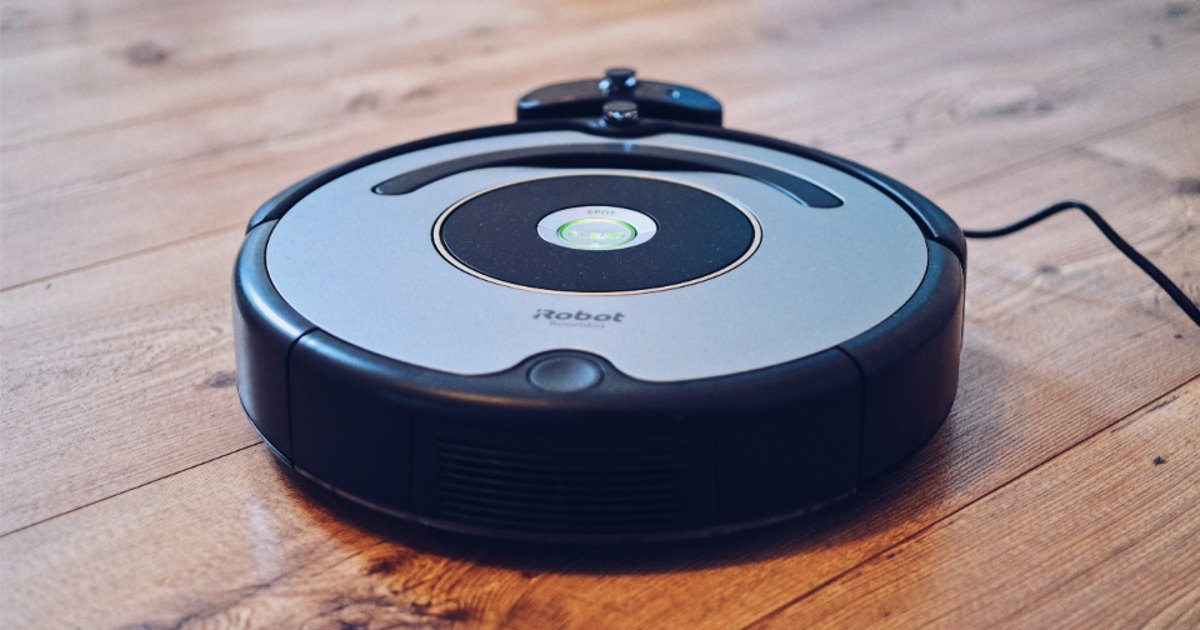
Yes, robot vacuums work on carpet, but how well depends almost entirely on the pile. On low- and medium-pile carpet, a modern robot vacuum does a genuinely good job of routine, everyday maintenance. On thick, deep, or shaggy carpet, it will disappoint you, and no amount of extra suction fully solves that. The short version: a robot is an excellent way to keep carpet tidy between deep cleans, not a replacement for a full-size vacuum or professional extraction.
Key Takeaways
- Robot vacuums handle low- and medium-pile carpet well for daily upkeep; deep shag is where they struggle most.
- Suction (measured in Pa) matters, but the brush design and how the robot handles pile transitions matter just as much.
- Many robots automatically raise suction, lift mop pads, and detect dirtier spots when they reach carpet.
- Dark or very deep carpet can confuse cliff sensors or stall the robot at the edge.
- Even the best robot is maintenance, not deep cleaning; the Carpet and Rug Institute still recommends periodic professional cleaning.
Which Carpets Do Robot Vacuums Actually Handle?
The single best predictor of success is pile height, the length of the carpet fibers. As a rough guide:
| Carpet type | Typical pile | Robot vacuum result |
|---|---|---|
| Low-pile (Berber, commercial, flat-weave) | Under ~1/4 inch | Works well; robot rolls and cleans easily |
| Medium-pile (most residential cut-pile) | ~1/4 to ~1/2 inch | Works well; may slow down and pick up dirt more slowly |
| High-pile / plush | ~1/2 to ~3/4 inch | Mixed; some robots bog down or get stuck at the edge |
| Shag / deep pile | Over ~3/4 inch | Often fails; robot struggles to climb on and drive across |
The reason is mechanical, not just about power. A robot vacuum is a low, lightweight puck. To clean deep pile it has to climb onto the carpet, keep its brush in contact with fibers that swallow it, and drag its own weight forward while the pile resists. Thick fibers can also wrap the wheels and brush. That is why a flagship and a budget model can both flounder on the same shag rug. If most of your carpet is low- or medium-pile, a robot is a strong fit; if your home is mostly plush or shag, temper your expectations before you buy.
What Suction Numbers Do and Don’t Tell You
Manufacturers love to advertise suction in pascals (Pa). Roborock, for example, publishes figures like 22,000 Pa and 36,000 Pa for current HyperForce models (Roborock, retrieved 2026-09-14). Bigger numbers are marketed as better carpet performance, and more suction genuinely does help lift embedded grit from between fibers.
But the Pa figure is only part of the story, and it’s easy to over-weight. Three cautions:
- Peak vs. real cleaning. A headline Pa number is usually the maximum in a boost mode, not what runs continuously. Battery life and noise force trade-offs.
- Suction without the right brush underperforms. Airflow lifts dust, but agitation is what frees debris from carpet. A well-designed brushroll pressed into the pile often matters more than a few thousand extra Pa.
- Numbers aren’t standardized across brands. There’s no shared test that lets you compare one company’s Pa rating directly against another’s.
So use Pa as a loose tier indicator, not a precise score. A robot with moderate suction and a good rubber brush can outperform a higher-Pa model with a brush that clogs.
Brushrolls and Pet Hair: The Part That Clogs
The brush is where carpet cleaning is won or lost. Two designs dominate. Bristle brushes agitate aggressively but tend to catch and wrap long hair. Rubber or silicone multi-surface brushes are gentler agitators but resist tangling. iRobot describes Roomba models built around dual rubber brushes for exactly this reason (iRobot, retrieved 2026-09-14).
Anti-tangle design has become a real selling point. Roborock states its DuoDivide main brush is certified by SGS at a 0% hair-entanglement rate (Roborock, retrieved 2026-09-14). Treat any “0%” claim as a controlled-lab result rather than a lifetime guarantee, but the direction is right: newer brush geometries channel hair off the roller instead of letting it spool into a solid band.
Why this matters for carpet specifically: carpet holds far more hair and fiber than hard floors release, so a tangle-prone brush that’s fine on tile becomes a weekly chore on carpet. If you have pets or long-haired household members, prioritize a rubber or split anti-tangle brush over raw suction.
Carpet Boost and Mop-Pad Lifting on Hybrids
Modern robots try to detect carpet and adapt automatically, which is the feature that makes them genuinely useful on mixed flooring.
Roborock’s documentation describes intelligent dirt detection that adjusts suction power based on how dirty an area is, so the robot works harder where it senses more debris (Roborock, retrieved 2026-09-14). Many robots also ramp suction up when they roll from hard floor onto carpet, then ease back on tile to save battery and noise. iRobot’s Dirt Detect concept works on a similar principle of concentrating effort where sensors flag more dirt.
For 2-in-1 vacuum-and-mop hybrids, the important trick is what happens to the wet mop when the robot reaches carpet. On some models the mopping pads or module lift automatically so they don’t drag moisture across your rug. Roborock, for instance, says its robots can automatically detach the mop cloth mounts when cleaning carpets to keep them dry (Roborock, retrieved 2026-09-14). The height of that lift varies by model and is measured in millimeters, so on plush carpet a small lift may not fully clear the pile. If you own a hybrid and have thick rugs, confirm the pad-lift height or set the app to avoid mopping carpeted zones.
Getting Onto the Carpet: Thresholds and Transitions
Before a robot can clean carpet, it has to get onto it. The lip where hard floor meets a rug, or where a room transition strip sits, is a common place for robots to stall.
Manufacturers publish a climbing limit. Roborock says its liftable-chassis Saros models can cross thresholds up to 4 cm (about 1.5 inches) and raise the chassis roughly 10 mm to help clear obstacles (Roborock, retrieved 2026-09-14). That’s toward the high end; many robots are rated closer to 2 cm. A thick rug with an unbeveled edge effectively acts like a threshold, and if it exceeds the robot’s climb rating, the machine will bump, retreat, and skip it.
Two practical fixes:
- Choose rugs with tapered or low edges rather than thick, abrupt ones.
- Use a low-profile transition strip or a rug gripper to flatten the leading edge so the robot can climb on.
Where Robot Vacuums Struggle on Carpet
Set expectations honestly. These are the recurring weak spots:
- Deep shag and very plush pile. The robot can’t climb on, drive across, or keep the brush engaged. This is the hard limit.
- Dark or black carpet. Optical cliff sensors read very dark surfaces as a possible drop-off, so a robot may stop at the edge of a black rug or refuse to cross it. Roborock notes structural upgrades to its cliff sensors specifically to improve detection of carpets (Roborock, retrieved 2026-09-14), which tells you this has been a genuine engineering challenge. If your robot avoids a dark rug, that’s usually why.
- High-traffic ground-in dirt. Robots skim; they don’t do the slow, repeated passes that lift compacted soil from a hallway runner.
- Edges, corners, and rug fringe. Round robots miss corners, and tassels or fringe can jam a brush.
- Small light rugs. A lightweight bath mat or runner can get pushed, bunched, or flipped.
Robots also don’t deep clean in the sense the carpet industry means. The Carpet and Rug Institute runs a scientific Seal of Approval program that tests whether vacuums remove soil without harming carpet, and it still recommends periodic professional cleaning to maintain carpet (The Carpet and Rug Institute, retrieved 2026-09-14). A robot handles the daily surface layer; extraction handles what’s buried.
Bins and Self-Emptying Bases on Carpet
Carpet fills a dustbin faster than hard floors because it releases so much trapped fiber, dander, and grit. A robot’s onboard bin is small, so on carpet-heavy homes you’ll hit “bin full” sooner. That’s the main argument for a self-emptying base: the robot returns to the dock and empties itself into a larger bag, so you handle dust every few weeks instead of every day or two. It doesn’t clean carpet any better, but it removes the most annoying friction of running a robot on carpet daily. If your floors are mostly carpet and you have pets, a self-emptying dock is the upgrade most worth its cost. If you have limited carpet, you can skip it and empty the bin by hand.
When You Do (and Don’t) Need to Buy One
You’ll likely be happy with a robot vacuum on carpet if:
- Your carpet is low- or medium-pile.
- You want daily maintenance so dirt never builds up.
- You have pets and pick a strong anti-tangle rubber brush.
- You’re willing to run a full-size vacuum occasionally for deep cleaning.
You should hold off, or set a smaller budget, if:
- Your home is mostly deep shag or thick plush.
- Your carpet is very dark and your candidate robot has purely optical cliff sensors.
- You expect it to replace deep extraction cleaning entirely.
And a genuine “you don’t need to buy” case: if you already own a capable upright, your carpet is thick, and you don’t mind a weekly vacuum, a robot adds convenience but won’t clean your carpet meaningfully better. Convenience is the product here, not superior cleaning.
Quick Troubleshooting Checklist
If your robot is underperforming on carpet, work through these in order, easiest first:
- Empty the bin and clean the filter. A full bin kills suction fast on carpet.
- Clear the brushroll. Cut away wrapped hair; a tangled brush stops agitating.
- Check the wheels. Fibers wrapped around axles reduce traction on pile.
- Enable carpet boost / max mode for carpeted rooms in the app.
- Fix the transition. If it stalls at a rug edge, flatten the edge or add a low transition strip.
- Handle dark rugs. If the robot avoids a black rug, it’s likely the cliff sensors; use the app to adjust or map around it per your model’s guidance.
- Lift or disable mopping on carpet for hybrids so pads don’t wet the rug.
Do these before assuming the robot is broken. Most “won’t clean the carpet” complaints trace back to a clogged brush, a full bin, or a rug edge it can’t climb.
The Bottom Line
Robot vacuums are a real, practical tool for carpet, with clear boundaries. On low- and medium-pile they keep your floors consistently clean with almost no effort, and features like automatic suction boost, dirt detection, and mop-pad lifting make them smart about switching between surfaces. On deep shag, dark rugs, and ground-in traffic lanes, they hit hard limits that more suction won’t fix. Match the robot to your pile, keep the brush and bin clean, and treat it as everyday maintenance that lives alongside occasional deep cleaning, not in place of it.
Image credit: “Robot Vacuum” by Jens Mahnke, via StockSnap, licensed under CC0 1.0. Resized and cropped. Illustrative stock photo; no product testing is implied.